Guide
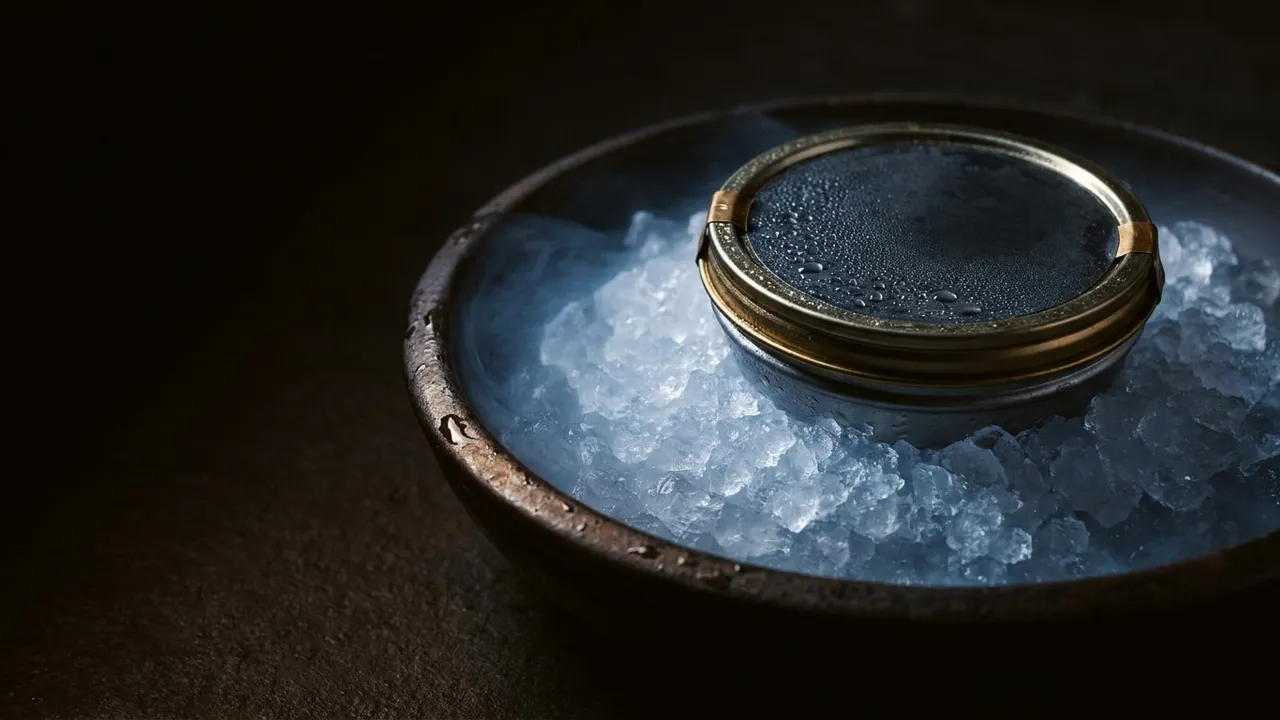
How Long Does Caviar Last? Shelf Life and Storage
Unopened fresh caviar lasts about four weeks refrigerated at 28 to 32°F. Once opened, eat it within 48 hours. Pasteurized caviar keeps considerably longer unopened, and just as briefly once the jar is open. The single mistake that shortens caviar’s life most is storing it in a standard refrigerator without finding the cold spot.
Reviewed by Awers Inc. — 6 August 2026. Awers Inc. has cured and packed its own caviar in Bellevue, Washington since 1995.
How long does caviar last?
Unopened fresh caviar lasts four weeks and opened caviar lasts 48 hours. Shelf life turns on two things only: whether the roe was pasteurized, and whether the container has been opened.
| Type | Unopened | Once opened |
|---|---|---|
| Fresh malossol caviar, tin | 4 weeks at 28–32°F | 48 hours |
| Fresh malossol caviar, jar | 4 weeks at 28–32°F | 48 hours |
| Pasteurized caviar, jar | Several months, see the label | 3 to 5 days |
| Salmon roe, fresh | 4 to 6 weeks | 3 to 5 days |
The four-week figure runs from the pack date, not the day it arrives. A tin cured six weeks ago has two weeks left, however new it looks. Every tin we ship carries its pack date, and caviar is packed to order rather than held in stock.
The 48-hour rule for opened fresh caviar is not a legal limit. It is the point at which the pearls begin to soften and the flavour turns from clean to metallic. The roe stays edible longer than it stays good.
Does caviar need to be refrigerated?
Yes. Caviar must be refrigerated at all times, at 28 to 32°F, which is colder than a standard domestic refrigerator. Most US home refrigerators run at 35 to 40°F. That gap of a few degrees is the reason caviar bought on Monday can taste tired by Friday.
Caviar does not freeze at 28°F because the salt in the cure depresses the freezing point. That is the whole design of the malossol method. The roe sits just above its own freezing point, cold enough to slow every process that degrades it, warm enough that no ice crystals form.
If your refrigerator has a temperature display, set it as low as it goes without freezing the milk. If it does not, buy a fridge thermometer. It costs a few dollars and it is the only way to know.
Where to store caviar in your refrigerator
Store caviar at the back of the bottom shelf, which is the coldest part of almost every domestic refrigerator. Cold air sinks, and the bottom shelf sits furthest from the door.
Two places to avoid. The door swings through the warmest temperature swings in the appliance every time it opens. The crisper drawer is designed to hold humidity and runs warmer than the shelf above it.
If you have a drinks fridge or a wine cooler, check its range before using it. Most wine coolers hold 45 to 65°F, which is far too warm for caviar.
How to store caviar after opening
Reseal the tin the moment you finish serving. Air is what turns opened caviar, and every minute of exposure costs texture.
- Press the remaining roe gently level with the back of a spoon. Do not pack it down hard.
- Lay a piece of plastic wrap directly on the surface of the roe, touching it, with no air gap.
- Replace the lid and seal the tin with a rubber band, or transfer to a small airtight glass jar filled to the top.
- Return it to the back of the bottom shelf immediately.
- Eat within 48 hours.
Never leave a metal spoon in the tin. Silver and stainless steel react with the roe and add a metallic note within minutes. Use mother-of-pearl, bone or horn, and take the spoon out when you are done.
Can you freeze caviar?
Do not freeze sturgeon caviar. Freezing forms ice crystals inside each pearl, and those crystals rupture the membrane. The caviar thaws into a soft, weeping mass with none of the pop that makes it worth buying.
Freezing caviar is the most common piece of bad advice on the internet, and the advice comes from a real exception. Salmon roe tolerates freezing better than sturgeon roe, because the membrane is thicker and the pearl is larger. Even then, the texture suffers. Commercial producers freeze salmon roe. Households should not.
If you have more caviar than you can eat in 48 hours, the answer is to serve more of it, not to freeze it.
Does caviar go bad?
Yes. Caviar is a fresh, minimally preserved food and it spoils like one. A malossol cure of 3 to 5 percent salt slows bacterial growth but does not stop it.
Check these five signs before serving caviar that has been open, or that is near the end of its date:
- Smell. Fresh caviar smells faintly of clean seawater. Sour, ammoniac or strongly fishy means it is finished.
- Texture. Pearls should be distinct and firm. Mushy, sticky or collapsed roe is spoiled.
- Liquid. Clear separated liquid is normal. Cloudy or milky liquid is not.
- Colour. Dulling, browning or an uneven grey cast on what was a consistent colour is a warning.
- The tin. A bulging lid or a hissing seal means gas from bacterial activity. Discard it unopened.
When in doubt, do not taste to check. Throw it out. A $107 tin is not worth a night of food poisoning, and a reputable seller will discuss a tin that arrived past its best.
Does pasteurized caviar last longer?
Yes, unopened. Pasteurized caviar is heat-treated after curing, which kills the organisms that spoil fresh roe and extends unopened shelf life from weeks to months. Check the date on the individual label, because treatment protocols vary between producers.
Once opened, the advantage largely disappears. An opened jar of pasteurized caviar keeps three to five days refrigerated against 48 hours for fresh. The seal, not the pasteurization, was doing the work.
The trade is texture. Heat firms the membrane and mutes the flavour slightly, which is why fresh malossol commands a premium. Our fresh tins are Ossetra and Kaluga Hybrid; our Paddlefish caviar is pasteurized.
What to do when your caviar delivery arrives
Refrigerate caviar within 30 minutes of delivery. Caviar ships overnight in an insulated cooler with gel ice, and that cooler holds temperature for hours rather than days.
- Open the cooler and check that the gel packs are still cold. Some thaw in transit and that is normal.
- Move the tins straight to the back of the bottom shelf of your refrigerator.
- Note the pack date on the tin and count four weeks forward for fresh caviar.
- Leave the tins unopened until an hour before you serve.
- If a tin arrives warm to the touch, or the seal is damaged, photograph it and contact the seller before opening.
Do not open the tin to inspect it. An unopened tin has four weeks; an opened one has two days.
For our own delivery terms, see caviar delivery. Orders ship within 3 business days, then travel overnight via UPS.
Frequently asked questions
How long does caviar last once opened? Opened fresh caviar lasts 48 hours refrigerated at 28 to 32°F. Opened pasteurized caviar lasts three to five days. Reseal with plastic wrap pressed onto the surface of the roe.
How long does caviar last unopened? Unopened fresh caviar lasts about four weeks from its pack date at 28 to 32°F. Unopened pasteurized caviar lasts several months; check the label date.
Does caviar go bad? Yes. Caviar spoils like any fresh seafood. Sour or ammoniac smell, mushy pearls, cloudy liquid or a bulging lid all mean discard it.
Can you freeze caviar? No, not sturgeon caviar. Ice crystals rupture the pearls and the thawed roe loses its texture permanently. Salmon roe tolerates freezing better but still suffers.
What temperature should caviar be stored at? Store caviar at 28 to 32°F, or -2 to 0°C. That is colder than a standard US refrigerator, which runs at 35 to 40°F. Use the back of the bottom shelf.
How long does caviar last in the fridge after opening? Fresh caviar keeps 48 hours in the refrigerator after opening. That assumes it is resealed against air and held at 28 to 32°F. At a standard 38°F it will be noticeably softer within a day.
Does caviar need to be refrigerated before opening? Yes. Unopened caviar requires refrigeration from the moment it arrives. Neither fresh nor pasteurized caviar is shelf-stable at room temperature.
In summary
Unopened fresh caviar lasts four weeks at 28 to 32°F, counted from the pack date. Once opened, it lasts 48 hours. Pasteurized caviar keeps months unopened and three to five days once opened. Store it at the back of the bottom shelf, never in the door and never in the freezer. Reseal with plastic wrap touching the roe, use a mother-of-pearl spoon rather than metal, and refrigerate deliveries within 30 minutes of arrival.